Play dots and boxes against the computer
Dots & Boxes in Games by Zaweba is the pencil-and-paper classic against the computer: join the dots, close boxes and avoid giving away chains.
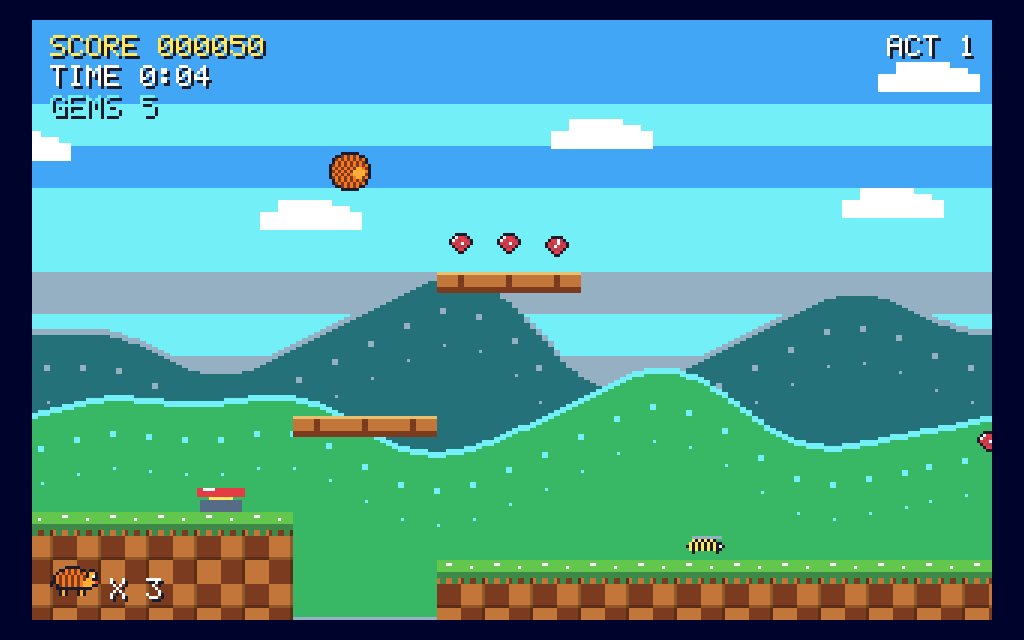
Dots & Boxes, the pencil-and-paper classic, is ready to play against the computer for free in Games by Zaweba. Take turns drawing a line between two neighbouring dots, close a box to claim it, and whoever has more boxes at the end wins. It runs offline with no adverts and no account.
Dots & Boxes looks like a game for a rainy afternoon with a notepad, and it is. It also has a surprising amount of depth, mostly about the moves you don't want to make.
Lines, boxes and turns
The board is a grid of dots. You and the computer take turns drawing a line between two dots that are next to each other. If your line closes the fourth side of a box, the box is yours, and you must draw another line. When every box has been taken, the player with more boxes wins.
To draw a line, click between two dots. Dots & Boxes is on the Board games shelf of Games by Zaweba.
The third side problem
The most important rule of thumb is simple: avoid drawing the third side of a box. Three sides means your opponent can close it with the fourth line, take the box, and then go again.
Early in the game that's easy, because there are plenty of safe lines. Later, the safe lines run out, and someone has to draw a third side. That's when the game is really decided.
Chains and how not to hand them over
As the board fills, boxes link up into chains: rows of boxes where closing one lets you close the next, and the next. A player who's given a chain can take every box in it in one go, because each box closed earns another line.
So the late game is about which chains you give away and when. If you have to open something, open the shortest chain you can. Hand over a two-box chain rather than a six-box one.
There's a clever trick experienced players use. When you're given a long chain, you can take all but the last two boxes, then draw a line that leaves those two for your opponent. They take two boxes, but then they have to move, and they may have to open the next long chain for you. Giving away a little to gain a lot is the heart of good play.
Playing well against the computer
Count the chains before the safe lines run out. Knowing how many chains there are, and how long each is, tells you which ones you'll end up giving away.
Don't grab boxes blindly. Taking every box you're offered can leave you forced to open a big chain. Sometimes stopping short is the better move.
Watch for the end. When only long chains are left, the player in control can often take most of them.
Keeping score
Games by Zaweba keeps your plays, wins and best score on the game's tile, and the result card at the end shows how your score compares with your best. The scores file lives in your own settings folder. Esc pauses, F1 explains the rules and F11 makes the grid fill the screen.
If you enjoy the careful choices in Dots & Boxes, try Noughts & Crosses on a 5 by 5 board, or Flip Discs, where, much as here, the move that looks greedy is often the wrong one.