How to play Star Marbles in Games by Zaweba
Star Marbles in Games by Zaweba: move ten blue marbles across a six-pointed star by stepping and chaining hops, against one or two computer players.
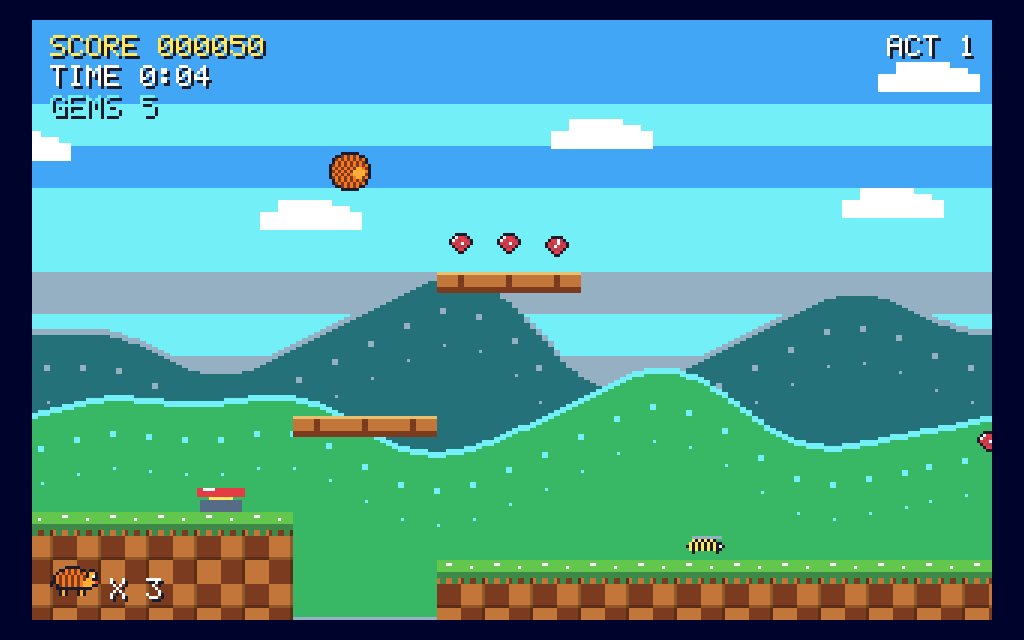
Ten blue marbles sit in the bottom point of a six-pointed star, and your job is to get every one of them into the point opposite. The computer is trying to do the same with its own marbles, and the first side to fill its target point wins. That is all there is to Star Marbles, and yet a good game turns on how cleverly you build long chains of hops.
You can play against one computer opponent, or two if you would like a busier board with more marbles getting in the way.
Steps and hops
Each turn you move one marble. You have two choices. You can step it into a next-door hole, which moves it one place. Or you can hop it over any marble, yours or the computer's, into the empty hole straight beyond. A hop is where the game opens up, because hops chain. After one hop, if there is another marble to jump with an empty hole behind it, you can keep going, as far as the chain will carry you.
To move, click one of your marbles and then click a glowing hole. The glowing holes show you where that marble can legally end up, including the far end of a chain, so you do not need to trace every jump in your head before you commit.
Building ladders across the star
The best moves in Star Marbles are rarely the ones that move a single marble a long way on their own. They are the ones that leave a trail of evenly spaced marbles behind, so that next turn another marble can hop along the whole line. Think of it as building a ladder: one marble in every other hole, pointing towards the target, and the marbles at the back can fly across the board.
A few habits help. Do not leave a marble stranded at the back of your starting point; it tends to become the one that takes six slow steps at the end. Use the computer's marbles as stepping stones as well as your own, since a hop over any marble counts. And look before you clear a path: a gap you leave can be used by the computer just as easily as by you.
When you have two computer opponents, the middle of the star gets crowded. That helps and hinders in equal measure. More marbles means more things to hop over, but also more holes already taken where you wanted to land.
The endgame
Filling the last few holes of the target point is a different puzzle from the race across the middle. Marbles that arrive early should go deep into the point, so the late arrivals have room. If you park them in the front holes, you will find yourself shuffling marbles about one step at a time while the computer finishes ahead of you.
Count how many moves your last marbles need, and compare it with the computer's stragglers. Sometimes the right move is a dull single step that sets up a big hop next turn.
Star Marbles in Games by Zaweba
Star Marbles sits on the Board games shelf alongside Draughts, Tables, Mill and the dice race Serpents & Ladders. It is the shelf's best game for spatial planning, with no dice and no hidden information, so every result is down to the moves you made. Games by Zaweba keeps your plays and wins for each game and mode, so you can see whether you do better against one opponent or two. If it becomes a regular, star it to keep it among your favourites. Press Esc to pause, F11 for full screen, and F1 if you would like the rules explained again.