Table Tennis tips: spin, pace and angle in Games by Zaweba
How Table Tennis in Games by Zaweba plays: your bat follows the mouse, and the way you swing sets pace, topspin and angle against the computer.
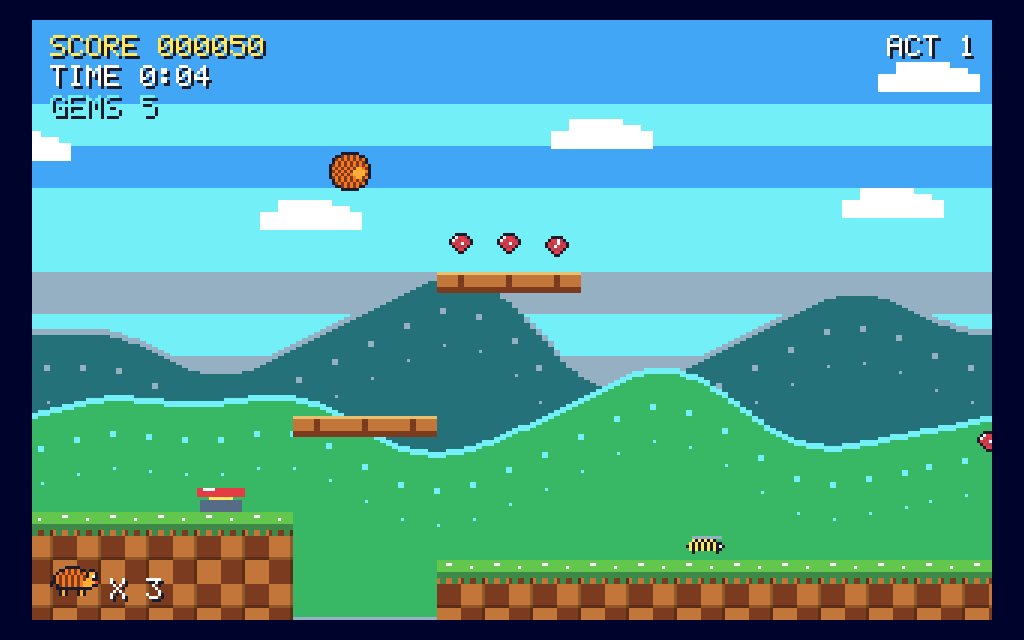
Rallying against the computer across a net is the whole of Table Tennis, and it's played almost entirely by how you move the mouse. Your bat follows the pointer wherever it goes, so there's no button for a forehand or a smash. Instead, the way you swing through the ball decides what it does: how fast it goes, whether it carries spin, and the angle it takes across the table.
It lives on the Skill & sport shelf of Games by Zaweba, next to games like Spot Kick and Ten Pin, and like them it's easy to start and takes a while to get properly good at.
Meeting the ball
The basic rhythm is simple. Let the ball bounce on your side, then meet it with the bat. It has to clear the net and land on the far half for the shot to count. Within that, there are a few ways to send it back. Hitting it with the edge of the bat, or while the bat is moving sideways, sends it across the table. Swinging upwards through the ball puts topspin on it, which dips it down onto the table. A faster swing hits harder, though it can also go long.
Those three ideas cover most of what you need. The skill is in combining them: a quick upward swing gives you pace with the dip to keep it on the table, while a sideways touch moves the computer from one side to the other.
Building a point
A rally is rarely won on the first hit. Early in a point, a steady return that lands safely is worth more than a big swing that might go off the end. Once an angled shot has pulled the computer to one side, the open part of the table is your target, and that's the moment to add pace.
Topspin is your safety net when you want to hit hard. Because it dips the ball onto the table, an upward swing lets you go faster than a flat one would allow. If your hard shots keep going long, the fix is usually to swing more upwards rather than to slow right down.
Watch the bounce on your side, too. The ball needs to bounce before you hit it, so a little patience just before contact makes a real difference to how clean your returns are.
Scoring, serves and the match
Games are played to 11, and you have to win by two, so a game at 10 all carries on until someone pulls two points clear. The first to win two games takes the match. You click to serve, and the serve changes every two points, which stops either side settling in for too long.
Because a match is only the best of three games, a slow start can be costly. It's worth spending the first few points finding your range rather than going for winners straight away.
Fitting it into a short break
The title card shows the rules and controls before you serve, so the scoring above is there to check, and F1 explains the game at any time. Esc pauses mid rally if the kettle boils, and F11 fills the screen, which helps when you're tracking a quick ball. When a match is over, your score is shown beside your best, and Games by Zaweba keeps a record of your best, your plays and your wins on your PC, in your own profile.
The app is offline, with no account and no adverts, and every sound in it is made in code, the knock of the ball included. If you're new to the game, play a couple of matches simply keeping the ball on the table. Once the timing feels natural, start adding angle and spin, and only then start swinging hard.